
Supersonic Flight Returns: What the Lift of the 1973 Land Ban Means for Aviation Leadership and Talent
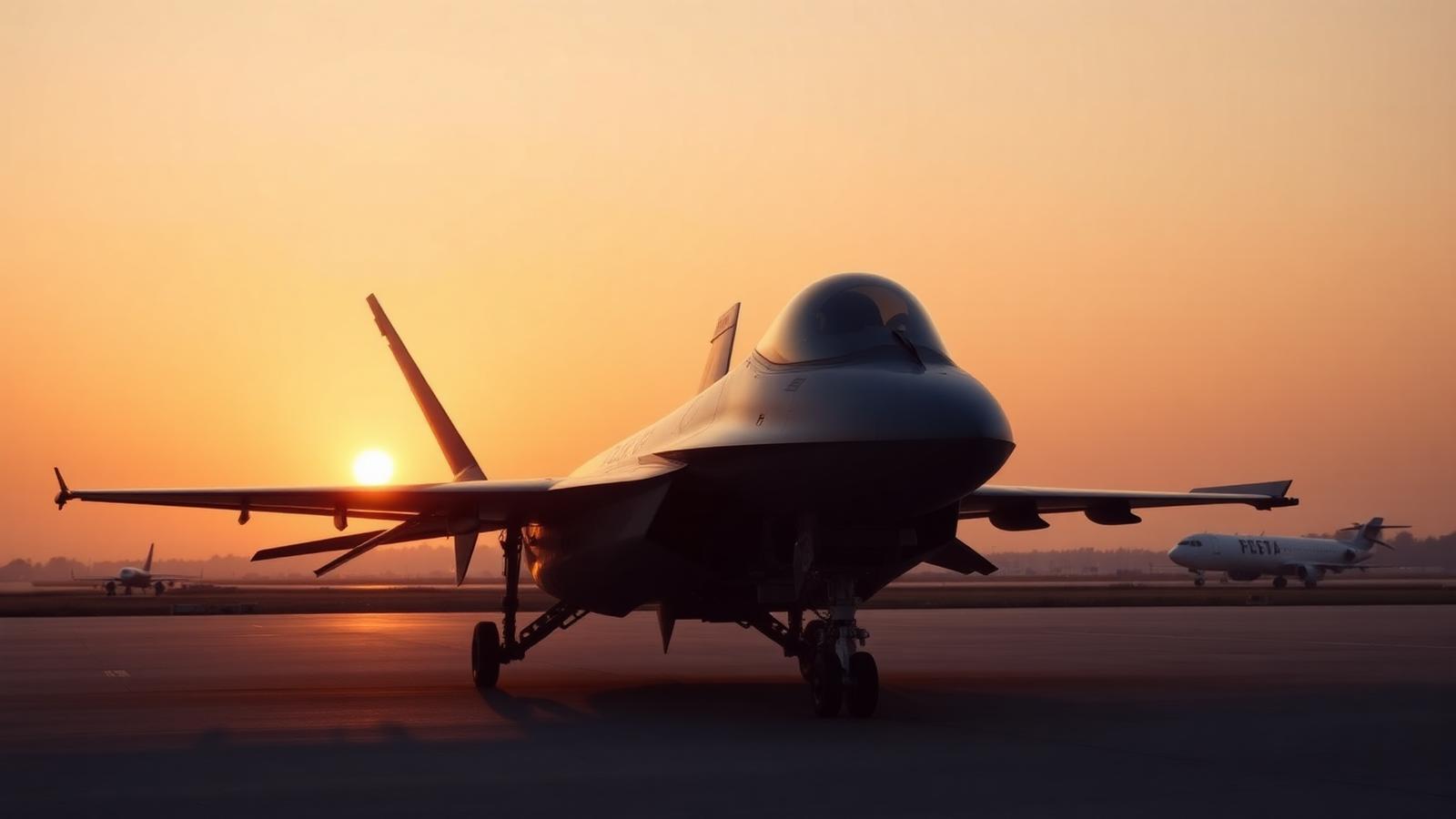
For the first time in more than half a century, the United States is preparing to allow commercial supersonic aircraft to fly over its own territory. The Federal Aviation Administration has begun the formal process of revisiting regulations that have prohibited supersonic flight over land since 1973, when sonic boom concerns grounded the commercial supersonic market before it could mature domestically. Now, with advances in low-boom technology and renewed commercial interest from companies like Boom Supersonic, the regulatory environment is shifting. The implications reach well beyond aviation policy. They extend directly into how aerospace and aviation organizations think about their leadership pipelines, talent strategies, and the competencies they will need to compete in what amounts to an entirely new market segment.
A Structural Inflection Point, Not a Policy Adjustment
Lifting a 50-year ban is not a routine policy update. It is a structural inflection point for an entire industry. The commercial aviation sector has operated within a well-understood regulatory and technological framework for decades. Supersonic flight over land introduces a new set of variables: noise certification standards that do not yet fully exist, airspace management challenges that GPS-era technology was not designed to solve at Mach speeds, and manufacturing demands that go beyond what most existing aerospace supply chains can readily support.
For organizations in this space, whether they are original equipment manufacturers, airlines evaluating future fleet options, airport authorities, or government contractors, the question is no longer whether supersonic flight will happen. The question is how quickly they can build the organizational capability to compete in, regulate, or service this market. That is a talent and leadership question as much as it is a technology question. Industries that wait for regulatory certainty before investing in human capital almost always find themselves behind. The companies that move now to identify and develop the right leaders will define the competitive landscape of the next decade.
The Leadership Competencies That Will Define the Supersonic Era
The executives who built successful careers in subsonic commercial aviation are not automatically equipped to lead in a supersonic environment. This is not a criticism. It is a recognition that the required leadership profile is genuinely different in several important respects.
Regulatory fluency will be at a premium. The FAA rulemaking process for supersonic overland flight is complex, contested, and deeply technical. Leaders who can translate between engineering realities and regulatory requirements, and who understand how to engage constructively with government agencies during a rulemaking period, will be disproportionately valuable. This is not a generic government affairs skill. It requires deep domain knowledge combined with the credibility to represent an organization in high-stakes policy conversations.
The supersonic market will also require leaders who are comfortable operating under genuine uncertainty. Supply chains are not yet built. Passenger demand at price points that may start above $5,000 per seat is still being validated. Certification timelines remain unknown. The executives who thrive in this environment will have track records that include launching new product categories, navigating complex international certification regimes, or building capability in emerging markets where the rules are still being written. Those are specific and relatively rare profiles.
Finally, organizations will need leaders who can bridge advanced materials engineering and commercial aviation operations. Supersonic aircraft require different structural materials, different propulsion philosophies, and different maintenance paradigms. Executives who have only worked in one discipline will find that leading in this space requires either a broader personal background or the ability to build and lead genuinely multidisciplinary teams.
Workforce Planning Implications Across the Value Chain
The talent pressure created by this regulatory shift will not be confined to the companies building supersonic aircraft. It will cascade across the entire value chain, and organizations should be thinking about that now.
Airlines evaluating supersonic fleet options will need pilot training programs that do not currently exist in commercial form, maintenance technicians with new certifications, and route planning capabilities that account for supersonic corridors and noise abatement procedures that are still being developed. Airport authorities near likely supersonic corridors will face infrastructure and operational planning questions that their current workforces are not fully prepared to answer.
On the supply side, advanced composites manufacturers, propulsion engineers, and avionics specialists with supersonic-relevant experience are already in limited supply. The defense sector has been the primary employer of these specialists for decades. Commercial aviation will now compete for that same talent, often with compensation structures and career trajectories that have historically been less attractive than the defense market. Organizations that begin building relationships with universities, defense contractors, and research institutions now will hold a meaningful first-mover advantage in accessing this talent pool.
What Organizations Should Be Doing Right Now
The temptation in any period of regulatory transition is to wait for clarity before making significant talent investments. That approach has consistently proven costly in aviation. When the regulatory environment clarifies, competition for qualified leaders and specialists intensifies almost immediately, and the organizations that moved early find themselves with both the talent and the institutional knowledge to act faster.
Organizations across the aerospace and aviation ecosystem should currently be doing three things. First, mapping the leadership competencies that the supersonic era will demand against their current executive bench. Second, identifying where the gaps are, both in current capability and in succession depth. Third, beginning the process of building external pipelines for the specialized profiles, particularly in regulatory affairs, advanced propulsion, and new market development, that will be hardest to source when demand peaks.
The return of supersonic commercial flight is not a distant possibility. It is an unfolding reality with a leadership talent challenge at its center.
To discuss your senior leadership requirements, contact Nexoval Search Partners.