
TSMC's 30% Revenue Surge Signals a Leadership Reckoning for the Semiconductor Industry
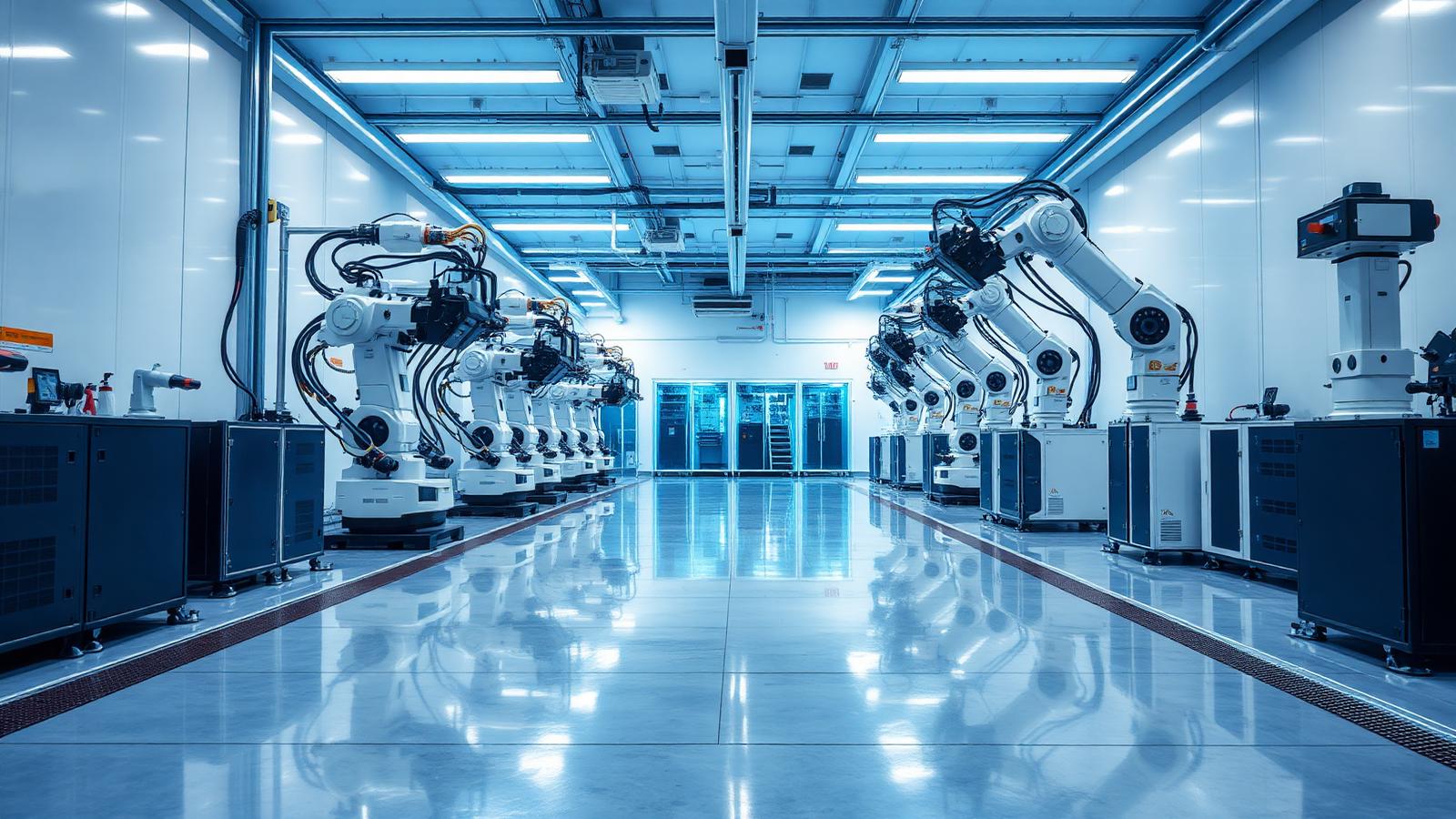
Taiwan Semiconductor Manufacturing Company has reported a 30% surge in revenue, driven almost entirely by demand for advanced AI chips. This is not a quarterly anomaly. It reflects a structural shift in the global technology economy, one in which semiconductor manufacturing has moved from a background industrial function to a frontline strategic priority for governments, hyperscalers, and defense organizations alike. For executives and HR leaders in semiconductor manufacturing, chip design, and adjacent technology sectors, the message is direct: the talent landscape is transforming at a pace that most organizational structures are not equipped to handle.
Why This Growth Cycle Is Different
Previous semiconductor booms, including the PC era expansion of the 1990s and the mobile buildout of the 2000s, followed relatively predictable demand curves. Companies could anticipate hiring windows and plan workforce expansions with reasonable confidence. The AI chip supercycle operates on different terms.
Demand is being driven by a technology platform, artificial intelligence, that is itself accelerating. Every major foundation model iteration requires more compute. Every expansion of inference infrastructure requires more chips. The customers placing orders with TSMC are not managing mature product lines. They are building capabilities they could not fully define twelve months ago. This creates a compounding effect on talent requirements across the entire ecosystem.
The result is a talent market that is not simply competitive. It is structurally misaligned. Universities are not producing semiconductor engineers fast enough to meet current demand, let alone projected demand over the next five years. Experienced process engineers, advanced packaging specialists, and EDA software experts are being recruited simultaneously by fabs, integrated device manufacturers, fabless companies, and government-funded initiatives. At the leadership level, the challenge is even more acute: the pool of executives who can operate at the intersection of deep technical knowledge, global supply chain complexity, and AI-era strategic thinking is exceptionally thin.
The Leadership Capability Gap That Few Are Addressing
Revenue growth of 30% requires organizational capability growth at a comparable rate. That is where many semiconductor companies are falling short, not because of a lack of investment, but because of a fundamental mismatch between the leadership profiles they are hiring and the challenges those leaders will actually face.
The semiconductor sector has historically rewarded deep domain expertise. The best process engineers became engineering managers, then directors, then vice presidents. That model produced strong technical leadership for an era defined by incremental node shrinkage and well-understood manufacturing processes. It is less well-suited to an era defined by architectural innovation, AI-driven design automation, and geopolitical risk management.
Today's senior semiconductor leaders must manage several demands at once: hyper-complex global supply chains, engagement with government agencies on subsidy programs and export controls, innovation cycles that are shortening rather than lengthening, and talent acquisition in one of the most competitive hiring environments in technology history. The executive who excels in one or two of these dimensions is increasingly common. The executive who performs across all of them is genuinely rare.
This gap is visible in board discussions, succession planning reviews, and strategic planning cycles across the industry. Companies that identified it early are moving aggressively. Those that have not are beginning to recognize that their ability to capture the current market opportunity is constrained not by capital or capacity alone, but by leadership.
What Organizations Should Be Doing Right Now
TSMC's results function as a useful forcing mechanism. They make visible what the most strategically aware organizations are already acting on. Three priorities deserve immediate attention.
First, review your leadership succession pipeline against the capabilities the next three years actually require, not the capabilities that drove success in the previous cycle. Technical depth remains essential, but it is no longer sufficient at the vice president level and above. Commercial acumen, government relations experience, and cross-cultural leadership are now core requirements for anyone managing a major business unit in this sector.
Second, recognize that passive hiring strategies will not work in this environment. The leaders capable of navigating this growth cycle are not searching job boards. They are embedded in organizations competing directly with yours, and they need to be approached with a level of precision and credibility that reflects the seriousness of the role. Reactive hiring, triggered only when a seat opens, introduces lag that the current market will not absorb without cost.
Third, invest in retention with the same seriousness you apply to acquisition. The same market forces that make external hiring difficult are creating significant attrition risk within your existing leadership team. Compensation benchmarking, career architecture, and executive development all deserve renewed attention in a market where competitors are actively targeting your best people. Losing a senior leader to a better-resourced rival is expensive in every sense: financially, operationally, and strategically.
The Time Dimension
The current AI chip demand cycle has real momentum, but it will not accommodate organizations that move slowly. The companies capturing disproportionate talent share right now are building organizational advantages that will compound over time. A leadership team assembled with foresight in 2026 will be positioned to execute when the next inflection point arrives. One assembled reactively will be perpetually behind.
TSMC's revenue surge is a data point. The more important story is what it reveals about the strategic choices facing every organization in the semiconductor ecosystem. Capital and capacity matter. So does geopolitical positioning. But leadership capability is the constraint that most directly determines whether an organization can convert market opportunity into durable competitive advantage. Closing that gap requires deliberate, structured effort, starting now.
To discuss your senior leadership requirements, contact Nexoval Search Partners.